The SCITECHSS Group is a research and development team of scientists and engineers based at the Instituto de Astrofísica de Andalucía–CSIC (Granada-Spain). It devotes its efforts to develop instruments for the exploration of our Solar System with the aim of obtaining scientific data. The analysis and interpretation of these data allow us to advance in the understanding of the nature of the planets, their satellites, and the small bodies.
Latest news
-
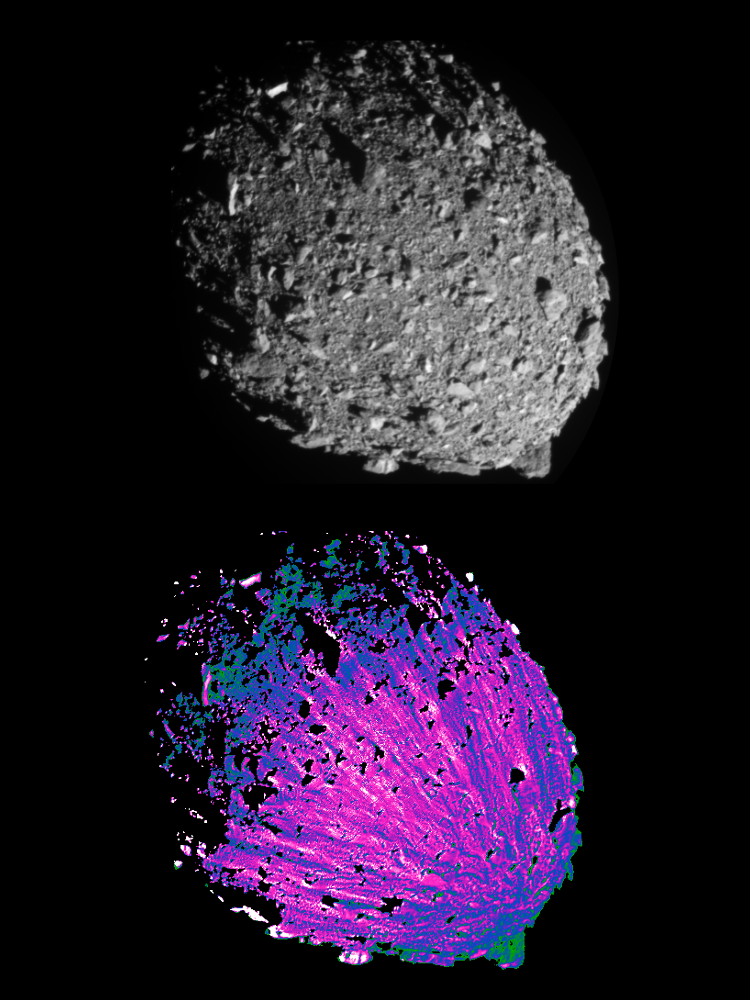
Asteroids throw ‘cosmic snowballs’ at each other
—
Binary asteroid systems are relatively common among near-Earth objects, with about 15% of asteroids hosting small moons. A study co-led by a member of the SCITECHSS group revealed that these systems are more dynamic than previously thought, exchanging rocks and dust through slow, low-velocity impacts that gradually reshape their surfaces over millions of years. Using
-
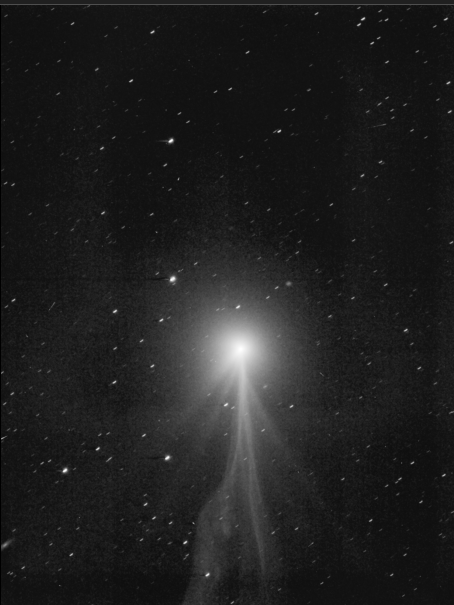
The interstellar comet 3I/ATLAS observed by the JANUS camera aboard ESA’s JUICE spacecraft
—
On 1 July 2025, the interstellar comet 3I/ATLAS was discovered. Images obtained at a heliocentric distance of 4.5 astronomical units (AU) — about 673 million kilometres from the Sun — already showed clear evidence of cometary activity. This object represents the third cometary body originating from another planetary system that has been observed visiting our
-
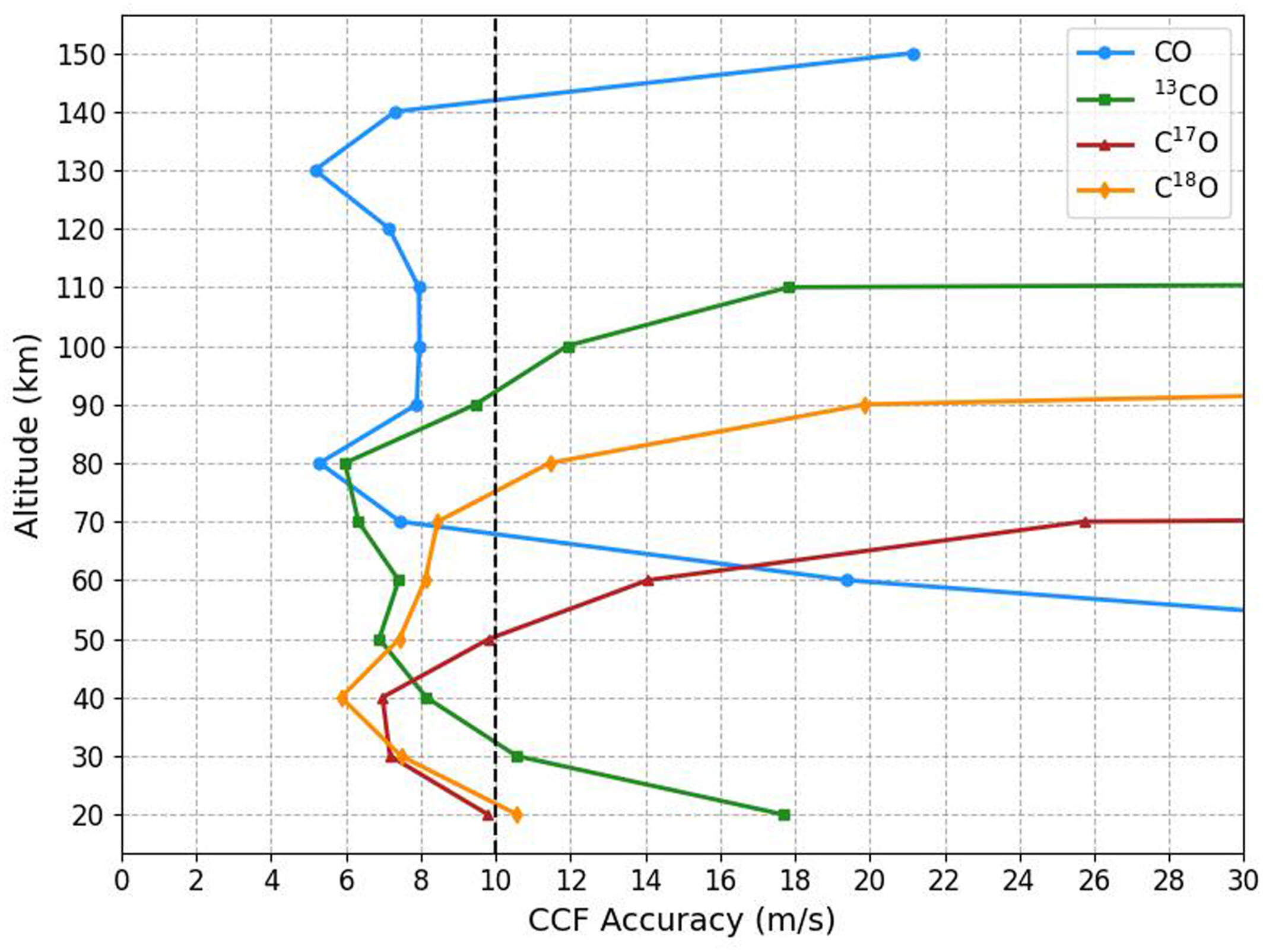
Winds in Mars atmosphere can be accurately measured with a microwave limb sounder
—
Members of our group have developed a computationally efficient cross-correlation method to retrieve atmospheric winds from microwave limb sounder measurements and tested it using simulated observations of a generic instrument. For the baseline instrument configuration, simulations yield wind accuracy better than 10 m/s between roughly 20 and 150 km. The advantages and operational potential are