Technology Developments by the Science and Technology for Solar System Exploration Group (SCITECHSS)
The Science and Technology for Solar System Exploration Group (SCITECHSS) has been instrumental in developing cutting-edge technologies for various high-profile space missions, including the Rosetta mission, JANUS and GALA instruments of the JUICE mission, the BepiColombo mission, and the ongoing Comet Interceptor and EnVision missions. Below are key technological developments attributed to SCITECHSS:
Rosetta Mission
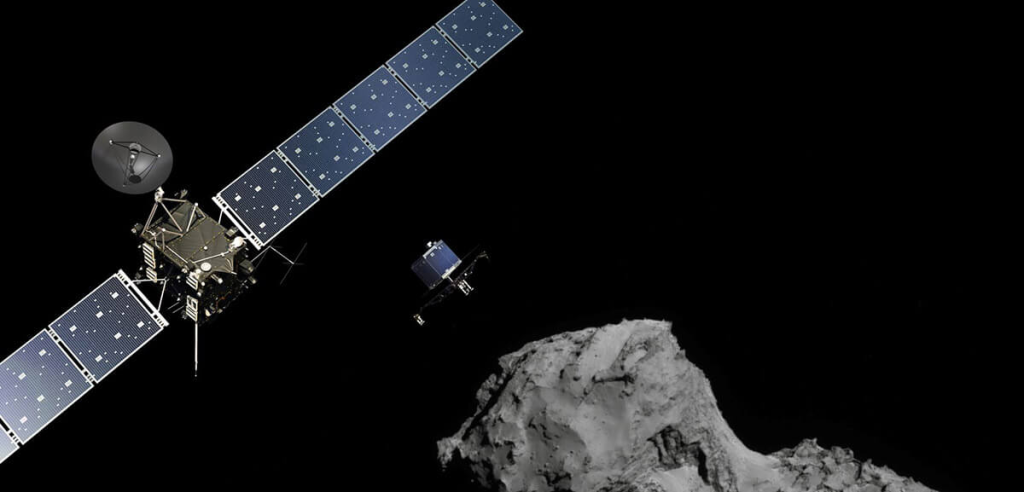
- ROSINA (Rosetta Orbiter Spectrometer for Ion and Neutral Analysis) Instrument Development
- Contribution: SCITECHSS contributed to the design and calibration of the ROSINA instrument, which analyzed the composition of the comet’s coma, providing crucial data on its volatile compounds and isotopic ratios.
- Ptolemy Instrument
- Contribution: Assisted in the development and implementation of the Ptolemy gas chromatograph mass spectrometer on the Philae lander, which conducted in-situ analysis of the comet’s surface.
JUICE Mission (JUpiter ICy moons Explorer)
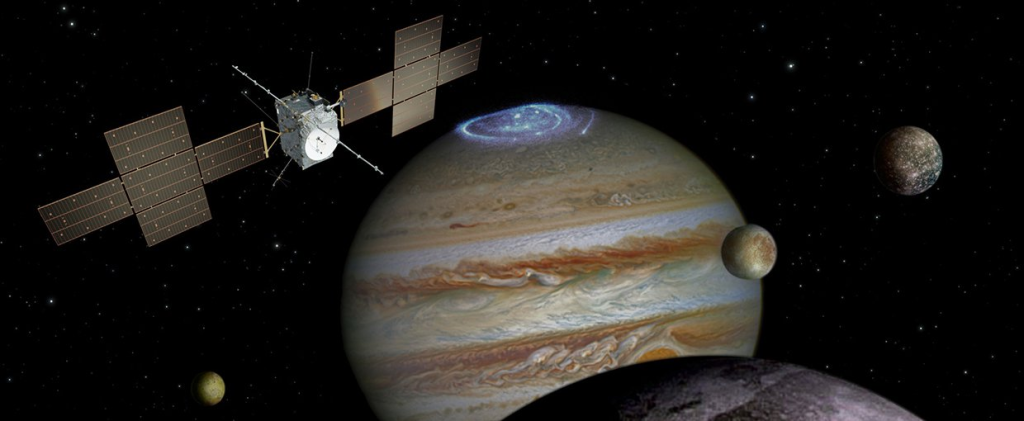
- JANUS (Jovis, Amorum ac Natorum Undique Scrutator) Camera System
- Technology Development: SCITECHSS played a vital role in the development of the high-resolution camera system designed for imaging Jupiter’s moons. This included creating advanced optical systems and image processing algorithms to capture detailed surface features of Ganymede, Callisto, and Europa.
- GALA (Ganymede Laser Altimeter)
- Technology Development: Developed the laser altimeter used to map the topography of Ganymede’s surface with high precision. This involved designing laser ranging systems capable of operating in the harsh environment around Jupiter.
BepiColombo Mission
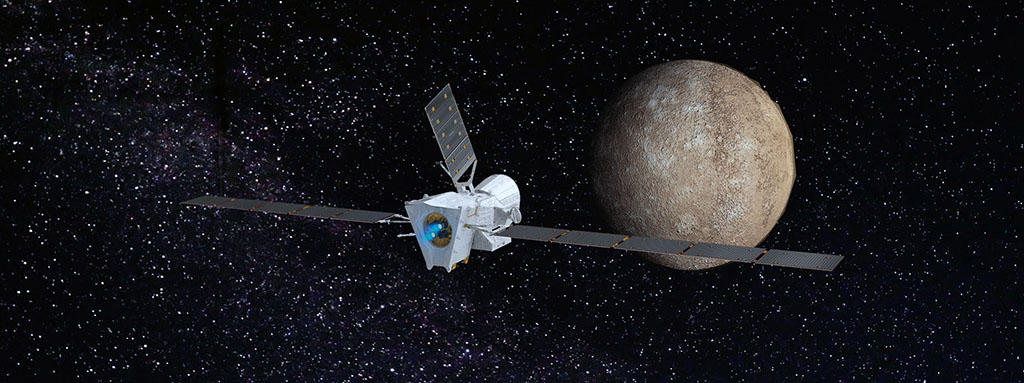
- MERTIS (Mercury Radiometer and Thermal Infrared Spectrometer)
- Contribution: SCITECHSS contributed to the development of the MERTIS instrument, which measures the surface temperature and composition of Mercury. They developed thermal infrared sensors and radiometric calibration techniques.
- BELA (BepiColombo Laser Altimeter)
- Technology Development: Assisted in designing the laser altimeter to map Mercury’s topography. This involved creating robust, high-precision laser systems and associated data analysis tools.
Comet Interceptor Mission
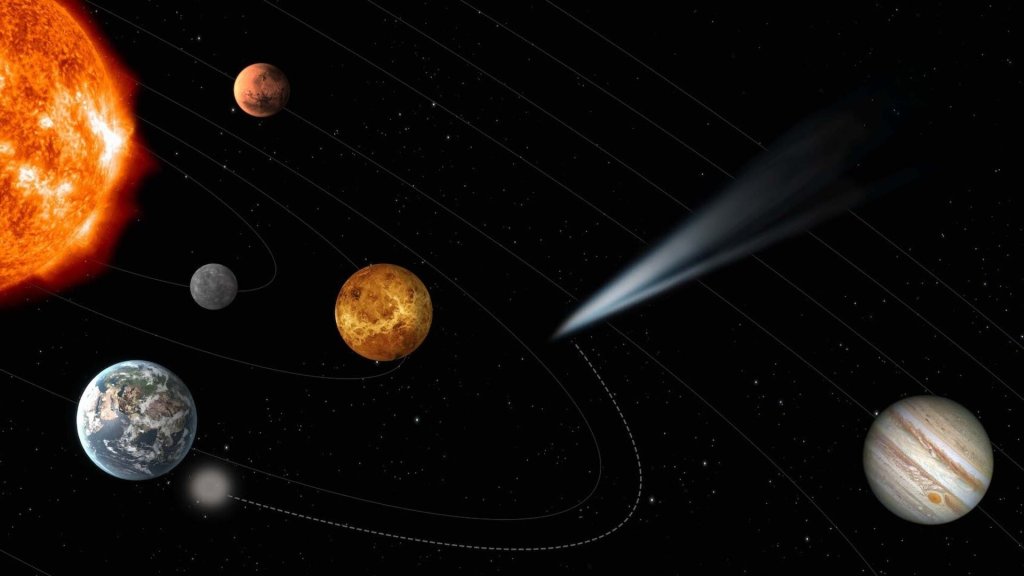
- Dust, Field, and Plasma (DFP) Instruments
- Technology Development: Currently developing a suite of instruments to analyze the dust, magnetic fields, and plasma environment of a comet. This includes miniaturized sensors and real-time data processing units to capture high-resolution measurements during the flyby.
- Trajectory and Navigation Systems
- Contribution: SCITECHSS is involved in creating advanced trajectory analysis and navigation systems to ensure precise flyby maneuvers and optimal data collection.
EnVision Mission

- VenSAR (Venus Synthetic Aperture Radar)
- Technology Development: Working on the development of a synthetic aperture radar system to map the surface of Venus with high resolution. This involves designing radar hardware and signal processing algorithms to penetrate Venus’ thick cloud cover.
- Subsurface Sounding Radar
- Contribution: Developing radar technologies capable of probing the subsurface of Venus to detect geological structures and potential volcanic activity, focusing on hardware that can withstand Venus’s extreme temperatures and pressures.
General Technological Contributions
- Miniaturization of Scientific Instruments
- SCITECHSS has consistently worked on miniaturizing instruments to fit the stringent size, weight, and power constraints of space missions. This includes developing compact spectrometers, sensors, and imaging systems.
- Radiation-Hardened Electronics
- Developed electronics capable of withstanding the high radiation environments encountered near Jupiter and the Sun, ensuring the longevity and reliability of scientific instruments.
- Advanced Data Processing Algorithms
- Created sophisticated algorithms for real-time data analysis and compression, essential for missions with limited communication bandwidth.
- Autonomous Navigation and Control Systems
- Developed AI-driven navigation systems to enhance the autonomy of spacecraft and rovers, allowing them to make real-time decisions and adjustments during missions.
By developing these technologies, SCITECHSS has significantly contributed to the success of various space missions, advancing our understanding of the solar system and laying the groundwork for future explorations.